
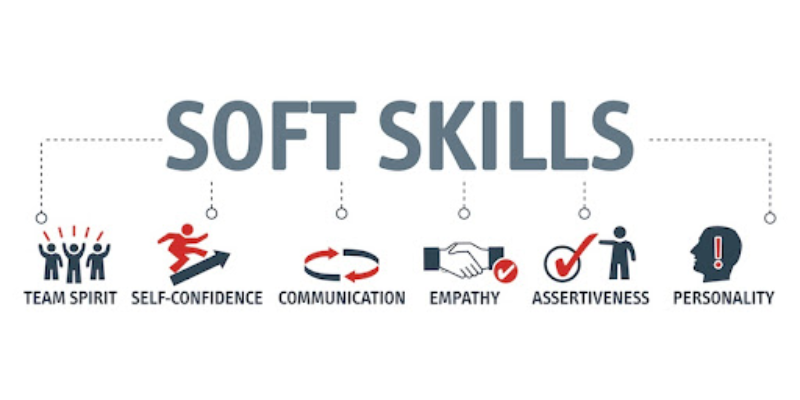
With the rapid transformations in the professional landscape, having just technical know-how is insufficient for achieving sustained career success. Employers are increasingly on the lookout for individuals who can communicate well, work together with various teams, and adjust to new challenges. These competencies are classified as soft skills, and they are essential for career progression in all fields.
No matter if you are a student, a newcomer to the workforce, or currently employed, honing your soft skills can greatly affect your development, potential for leadership, and satisfaction with your job. This manual describes the process of developing and honing vital soft skills to speed up your career advancement and help you distinguish yourself in a competitive employment market. FITA Academy strengthens learners’ soft skills by developing communication, leadership, and interpersonal abilities aligned with real workplace expectations and long-term career growth.
Understanding Soft Skills and Their Importance
Soft skills encompass the personal qualities and social abilities that affect how people engage with one another in a work environment. These consist of communication, collaboration, adaptability, emotional intelligence, and effective time management. Soft skills, unlike technical skills, can be applied across various roles and industries. These skills are highly valued by employers due to their direct impact on productivity, teamwork, and the culture of the workplace.
An individual with robust soft skills can address disputes, juggle obligations efficiently, and foster a positive team environment. Soft skills are essential in leadership positions, as managing individuals necessitates empathy, clear communication, and effective decision-making. The first step to mastering them for career advancement is grasping their significance.
Key Soft Skills Employers Look for Today
A balanced mix of human-centric skills and technical knowledge is required in modern workplaces. Communication skills are at the forefront, with teamwork, adaptability, and problem-solving closely following. Emotional intelligence is another key quality that employers look for; it aids workers in navigating and regulating feelings in work environments. Effective time management and strong organizational skills guarantee reliability and efficiency.
Another important soft skill that employers look for is leadership potential, even in entry-level positions. Those professionals who show accountability, initiative, and collaboration are more likely to receive promotions. Individuals can concentrate their development efforts on areas that will have the greatest impact on their careers by pinpointing these sought-after soft skills. Soft Skills Training in Chennai offers industry-focused guidance in communication, interpersonal abilities, leadership development, and professional etiquette to help you excel in interviews, teamwork, and workplace success.
Mastering Communication Skills for Professional Growth
Being able to communicate effectively is key to progressing in your career. This encompasses skills in non-verbal, written, and verbal communication. Professionals who communicate clearly can convey ideas, offer feedback, and cultivate strong relationships with colleagues and clients. To enhance communication, one should begin with active listening, clear thinking, and self-assurance.
Communication skills can be improved by rehearsing presentations, taking part in discussions, and asking for feedback. In the workplace, effective communication minimizes misunderstandings and enhances efficiency. Staff members who express their thoughts clearly are more prone to being recognized by management and deemed suitable for leadership positions. Mastering communication paves the way for enhanced collaboration and career prospects.
Developing Emotional Intelligence at Work
Success in the workplace is greatly influenced by emotional intelligence. This includes comprehending your own feelings, handling stress effectively, and reacting suitably to the emotions of others. Individuals who possess a high degree of emotional intelligence manage stress without agitation, settle disputes with success, and nurture constructive professional relationships. The foundation of emotional intelligence is self-awareness and empathy.
Emotional growth is fostered by observing reactions, practicing patience, and enhancing interpersonal interactions. In team environments, emotional intelligence enhances cooperation and trustworthiness. Leaders who possess a high level of emotional intelligence are able to inspire and motivate their teams. With a growing emphasis on people-centered leadership within organizations, emotional intelligence emerges as a crucial factor for career progression. Soft Skills Training Program at a B School in Chennai can significantly boost your career readiness and employability by strengthening communication, interpersonal abilities, leadership qualities, and professional etiquette, enabling you to confidently excel in interviews, teamwork, and corporate roles.
Time Management and Productivity Skills
For career advancement and workplace productivity, effective time management is crucial. Professionals who effectively manage their time are able to meet deadlines, prioritize their tasks, and keep a work-life balance. Ineffective time management results in heightened stress levels and diminished performance. To develop this skill, one should establish clear objectives, plan tasks, and reduce distractions. Instruments like task lists, calendars, and efficiency apps can assist in enhancing organization.
Employers greatly appreciate professionalism and reliability, which are also demonstrated through effective time management. Those employees who reliably produce results punctually are entrusted with more significant duties. By mastering productivity skills, one can maintain high performance and create chances for career advancement.
Adaptability and Problem-Solving Abilities
In dynamic work environments, the capacity to adjust to change and address issues is becoming ever more crucial. Due to technological progress and changing business requirements, it is essential for professionals to be adaptable and willing to learn. Employees who are adaptable react well to change and welcome new challenges. The ability to solve problems allows people to assess situations, engage in critical thinking, and identify viable solutions.
These abilities show self-starter qualities and adaptability. Employers appreciate professionals who can handle uncertainty independently. Individuals can enhance their adaptability and problem-solving skills through ongoing learning and proactive behavior, thereby becoming valuable assets to any organization. These are some of the ways to improve your communication skills.
Building Interpersonal and Teamwork Skills
Collaboration and workplace harmony are enhanced by strong interpersonal skills. Professionals who are team-oriented communicate openly, value diverse viewpoints, and make positive contributions to collective objectives. To develop teamwork skills, one should practice active listening, demonstrate empathy, and communicate clearly. Engaging in teamwork and joint endeavors aids in enhancing these skills.
Employers favor candidates who are able to collaborate effectively and contribute to the success of the team. Interpersonal skills also enhance networking and professional connections. With the rise of collaboration in work environments, employees who possess solid teamwork abilities are increasingly likely to thrive and move into leadership positions.
Improving Presentation and Public Speaking Skills
Skills in public speaking and presentation are important for professionals at every stage of their careers. Whether pitching concepts to colleagues or speaking to clients, a self-assured delivery makes a powerful impact. To enhance these skills, one needs to practice, prepare, and receive feedback.
Presentations can be made more effective through structuring content clearly, maintaining eye contact, and controlling one’s body language. Effective presenters convey concepts convincingly and instill assurance. Employers frequently acknowledge those who can represent teams or organizations proficiently. Mastering the art of public speaking aids in personal development as a leader and in career progression.
Practicing Soft Skills Consistently
It is not possible to master soft skills in a single night; they necessitate ongoing practice and personal development. It is advisable for professionals to look for chances to utilize these skills in their everyday work exchanges. Input from mentors and peers aids in pinpointing areas that need enhancement. Participating in workshops, training programs, and professional development sessions also fosters growth.
For sustained growth, it is crucial to set goals and engage in self-reflection. Regular practice guarantees that soft skills develop into natural habits instead of being compelled actions. As time passes, this results in enhanced performance, self-assurance, and advancement in one’s career.
Soft Skills as a Career Accelerator
In the current competitive job market, mastering soft skills can significantly speed up career advancement. These skills bolster communication, leadership, adaptability, and teamwork, increasing professionals’ effectiveness and value. While technical skills may become obsolete over time, soft skills retain their relevance across one’s entire career. People can open up new opportunities, receive promotions, and attain lasting career success by intentionally cultivating and honing these skills. It is essential for sustainable career growth to invest in soft skills, rather than just an option.