
In today’s world of web development, developers have a wide range of tools and technologies to choose from when building applications. One of the most famous tech stacks is the MEAN stack. MEAN is an acronym that stands for MongoDB, Express.js, Angular, and Node.js. These technologies, when used together, create a powerful full-stack solution for building dynamic and efficient web applications. For those looking to master these technologies, MEAN Stack Training in Chennai offers in-depth knowledge and practical skills to excel in web development.
1. Full-Stack JavaScript Development
One of the biggest advantages of using the MEAN stack is that it allows creators to use JavaScript for both front-end and back-end development. Traditionally, front-end and back-end development required different programming languages and frameworks. If you’re considering this stack for your project, a well-informed guide to hiring the MEAN Stack developers can help ensure you build a team that fully leverages this unified approach. With MEAN, developers can use a single language throughout the entire development process, making the codebase simpler and more consistent.
2. Fast and Scalable Applications
Node.js, the backbone of the MEAN stack, is built on the V8 JavaScript engine, known for its speed and efficiency, making it ideal for scalable applications that handle large data and traffic. MERN Stack Course in Chennai offers a deep dive into similar technologies, helping developers gain expertise in both MEAN and MERN stacks. Additionally, MongoDB, a NoSQL database, supports horizontal scaling to manage growing data effortlessly. Combined with Express.js and Angular, the MEAN stack delivers a fast, scalable solution, perfect for applications that need to expand with demand.
3. Flexibility and Customization
The MEAN stack offers great flexibility for developers. Each of its components—MongoDB, Express.js, Angular, and Node.js—can be customized to fit the needs of a specific project. MongoDB allows for flexible data modeling with its schema-less database, meaning that developers can store data in various formats without worrying about strict database schemas. Express.js is also highly flexible and can be used to create custom routes and middleware to meet the requirements of the application. Angular suggests a wide range of features and can be customized with reusable components, directives, and services.
4. Strong Community Support
The MEAN stack is popular due to its strong community support. All the technologies—MongoDB, Express.js, Angular, and Node.js—are open-source and widely used by developers globally. For developers looking to improve their database skills, Oracle Training in Chennai can enhance their understanding of databases, which complements the MEAN stack’s use of MongoDB. The active community offers a wealth of resources, including tutorials, documentation, and forums to resolve issues. Additionally, the community’s contributions ensure that the MEAN stack stays up-to-date with the latest web development trends and best practices.
5. Real-Time Data Processing
Node.js, with its event-driven architecture, is designed to handle asynchronous operations efficiently. This makes it ideal for applications that require real-time data processing, such as chat applications, live notifications, or online gaming. With the MEAN stack, developers can build applications that process data in real time and deliver an interactive user experience. Angular’s powerful two-way data binding ensures that updates to the data model are reflected in real time on the user interface, providing a seamless and dynamic user experience.
6. Cost-Effective Development
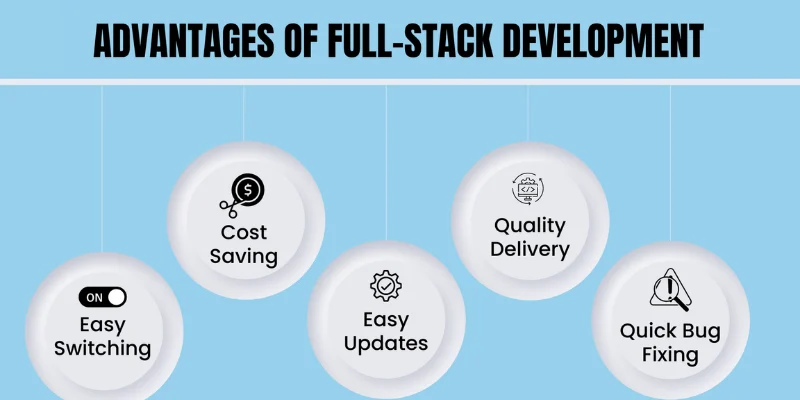
Using the MEAN stack can also be a cost-effective choice for businesses. Since JavaScript is used for both the front-end and back-end, the development team can focus on building a unified solution. Building Scalable and Maintainable MEAN Stack Applications becomes more achievable with this streamlined approach, reducing the need for separate teams for front-end and back-end development. This can save both time and money. Additionally, the open-source nature of the MEAN stack means that there are no licensing costs involved, further reducing the overall cost of development.
7. Easy to Learn and Implement
For developers already familiar with JavaScript, learning and implementing the MEAN stack is relatively easy. Each component of the MEAN stack has a large amount of resources available, from tutorials to documentation, which can speed up the learning process. In addition, the tools and technologies within the MEAN stack are designed to be straightforward, with a large number of built-in features and a simple setup process. This ease of learning and implementation makes MEAN a great choice for both beginners and experienced developers.
The MEAN stack is a powerful and efficient technology stack that offers a wide range of advantages for developers. Its ability to use JavaScript across both the front-end and back-end, combined with its speed, scalability, and flexibility, makes it a top choice for building modern web applications.