
Solar panel installation is an exciting step toward harnessing clean, renewable energy and reducing your carbon footprint. If you’re considering solar rooftop installationon your property, it’s essential to understand what to expect during the installation process. In this article, we’ll walk you through the key aspects of a typical solar panel installation.
Site Assessment and Design:
Before the installation begins, a team of experts from reputable solar companies in Chennai will conduct a thorough site assessment of your property. This assessment involves evaluating your roof’s condition, orientation, and shading and your energy needs. Using this information, they will design a customised solar system that maximises energy generation.
Obtaining Permits:
Solar panel installations require permits and approvals from local authorities and utility companies. Your solar installer will handle the permit application process on your behalf, ensuring that all necessary paperwork is in order before installation.
Roof Preparation:
The installation team will prepare the roof surface if your solar panels are installed on your roof. This may involve cleaning, repairing any damage, and ensuring the roof is structurally sound to support the solar panel array.
Mounting the Solar Panels:
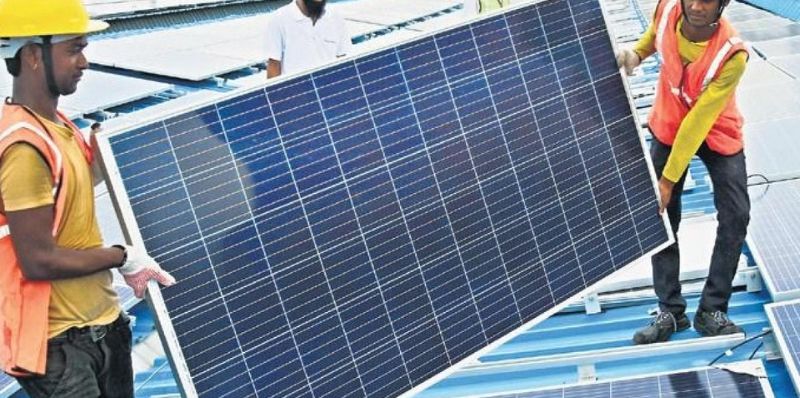
Once the roof is ready, the installation team will mount the solar panels. Solar Installation ChennaiThey will secure them using racks or mounting hardware to withstand weather conditions. Proper positioning and alignment are crucial to maximise energy capture.
Electrical Wiring:
The solar panels are interconnected through electrical wiring to form a complete solar system. This wiring connects the panels to an inverter, which converts the direct current (DC) electricity generated by the panels into alternating current (AC) electricity usable in your home.
Inverter Installation:
The inverter is a vital component of your solar system. It will typically be installed near your electrical panel or in a convenient location.Inverters also come with monitoring systems that allow you to track your system’s performance.
Connection to the Grid:
In many cases, your solar system will remain connected to the grid. This allows you to draw electricity from the grid when your solar panels aren’t generating enough power (e.g., at night) and feed excess electricity back into the grid when you generate more than you need. This arrangement is known as net metering.
Final Inspection:
After the installation, a final inspection may be conducted to ensure the solar panel system meets all safety and quality standards. Local authorities or utility companies may perform this inspection.
Monitoring and Maintenance:
Once your solar panel system is up and running, monitoring its performance is essential. Most modern solar systems have monitoring tools that allow you to track energy production and identify potential issues. Routine maintenance, such as cleaning panels and checking for debris, ensures optimal performance.
In conclusion, solar panel installation is a well-coordinated process that involves site assessment, permitting, roof preparation, panel mounting, electrical wiring, inverter installation, grid connection, inspection, and ongoing monitoring and maintenance. When done by experienced solar EPC companies in Chennai, it’s a seamless transition to a more sustainable and energy-efficient future.