
A nerve compression syndrome, also known as a compressed or pinched nerve, occurs when a nerve is compressed or squeezed by surrounding tissues such as bones, muscles, tendons or ligaments. This compression can result in pain, numbness, tingling, weakness, or even loss of function in the affected body area. Nerve compression syndrome can occur in various locations throughout the body, including the neck, back, arms, and legs, and can be caused by multiple factors such as repetitive motions, poor posture, injury, or underlying medical conditions. Treatment may involve rest, physical therapy, medication, or in severe cases, surgery. By approaching the best neurologist doctor in Chennai, you will get to know further information.
Various types of nerve compression syndrome occur when a nerve or group of nerves become compressed or trapped. Some of the most common Nerve compression syndrome include:
- Carpal tunnel syndrome: This condition occurs when the median nerve, which runs from the forearm to the hand, becomes compressed as it passes through a narrow tunnel in the wrist. Symptoms may include numbness, tingling, and weakness in the hand and fingers.
- Cubital tunnel syndrome: This condition occurs when the ulnar nerve, which runs from the shoulder to the hand, becomes compressed as it passes through a tunnel in the elbow. Symptoms may include numbness, tingling, and weakness in the hand and fingers.
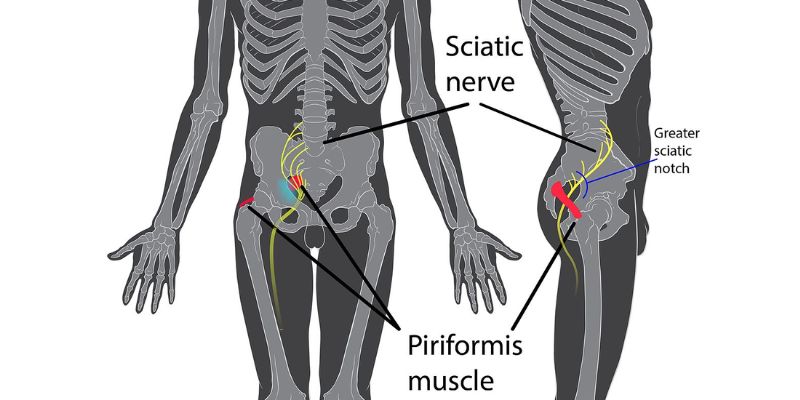
- Sciatica: This condition occurs when the sciatic nerve, which runs from the lower back down through the legs, becomes compressed or irritated. Symptoms may include pain, numbness, tingling, and weakness in the lower back, buttocks, and legs.
- Thoracic outlet syndrome: This condition occurs when nerves and blood vessels become compressed as they pass through a narrow space between the collarbone and the first rib. Symptoms may include pain, numbness, and weakness in the arm, hand, and fingers. To know more about this, approach the best neurology hospital in Chennai.
- Meralgia paresthetica: This condition occurs when the lateral femoral cutaneous nerve, which runs from the pelvis to the thigh, becomes compressed. Symptoms may include numbness, tingling, and burning pain in the outer thigh.
- Tarsal tunnel syndrome: This condition occurs when the posterior tibial nerve, which runs behind the ankle, becomes compressed as it passes through a narrow tunnel. Symptoms may include pain, numbness, and tingling in the foot and ankle.
It is important to note that there are many other types of nerve compression syndrome, and the symptoms can vary depending on the location and severity of the compression. If you suspect you may have nerve compression syndrome, it is essential to seek medical attention from the best neurology specialist in Chennai.